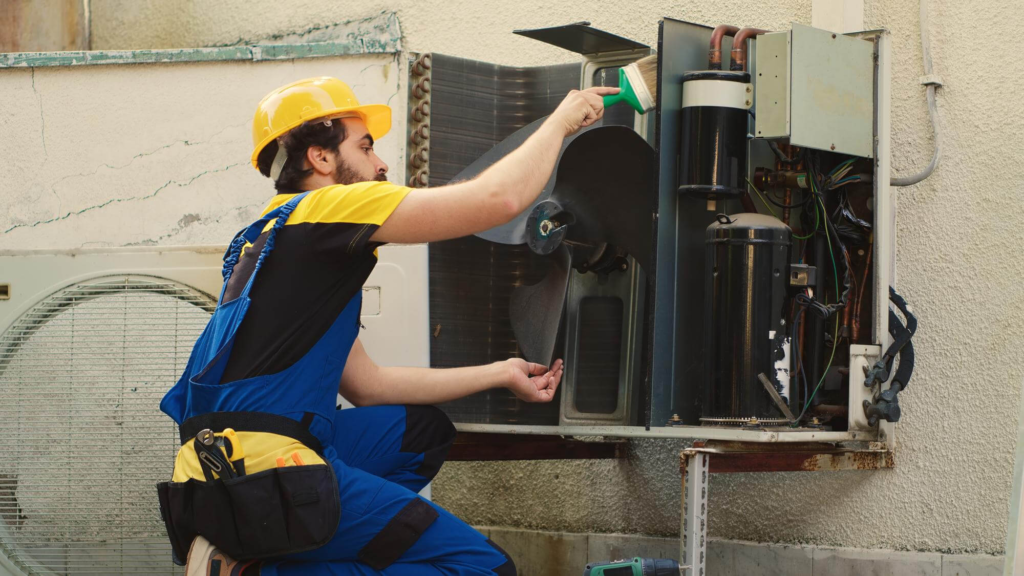
You notice it fastest at night. The aircon is on, the light is blinking like normal, but the room still feels warm and sticky. If you’re asking, why is my aircon not cooling, the issue is usually not random. In most homes, offices, and shop lots, poor cooling comes from a short list of common problems – and some are simple to spot before they become expensive repairs.
A weak-cooling aircond does not always mean the whole unit has failed. Sometimes the filter is clogged. Sometimes the evaporator coil is dirty. Sometimes the gas level is low, the compressor is struggling, or the thermostat setting is wrong. The real problem is that if you leave it too long, the unit works harder, your electric bill goes up, and the cooling gets worse.
Why is my aircon not cooling even though it turns on?
This is one of the most common complaints we hear from customers across Kuala Lumpur, Selangor, and Klang Valley. The unit powers on, the swing moves, and you can hear the fan, but the air is not cold enough. That usually tells you the system still has power, but something is stopping proper heat transfer.
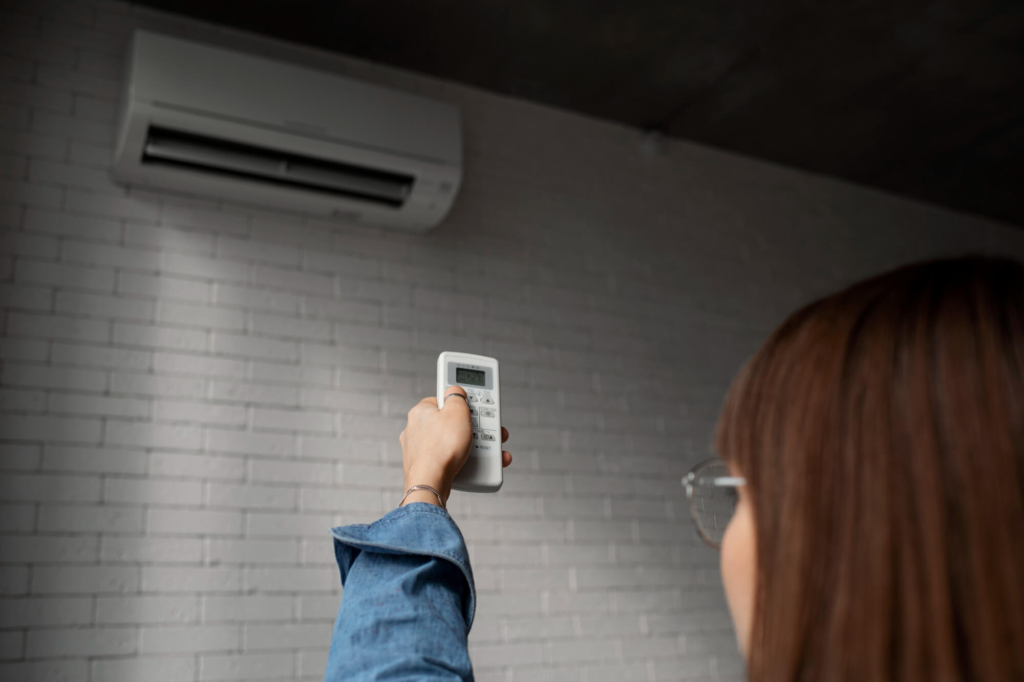
Start with the easiest possibility: settings. It sounds basic, but many cooling complaints come from the unit being on fan mode instead of cool mode, or the temperature being set too high. If the remote is faulty or the sensor is inaccurate, the aircond may also behave strangely. A quick reset can sometimes help, but if the problem keeps coming back, there is usually an underlying issue.
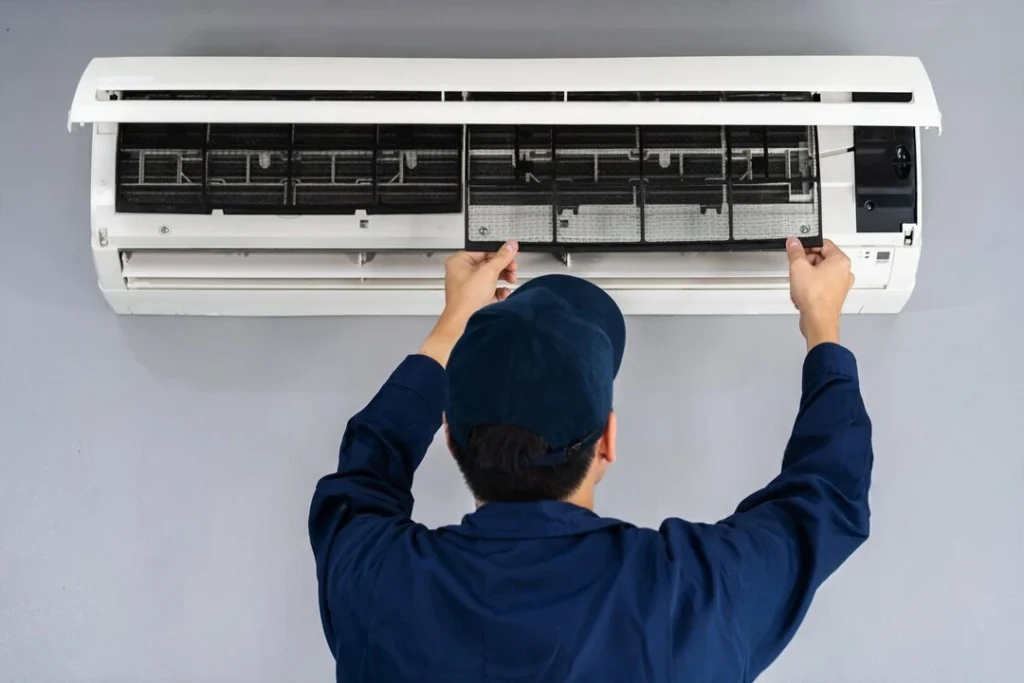
After that, airflow is the next thing to check. If air cannot move freely through the indoor unit, cooling drops fast. Dirty filters, blocked vents, and dust buildup inside the coil all reduce performance. You may still feel air coming out, but it will not be cold enough to cool the room properly.
The most common reasons your aircond is not cooling
Dirty filters are one of the biggest causes of weak cooling. When filters are packed with dust, the unit cannot pull in enough air. That means less air passes over the cooling coil, and the room takes much longer to cool. In homes with pets, open windows, renovation dust, or daily heavy use, filters can clog faster than most people expect.
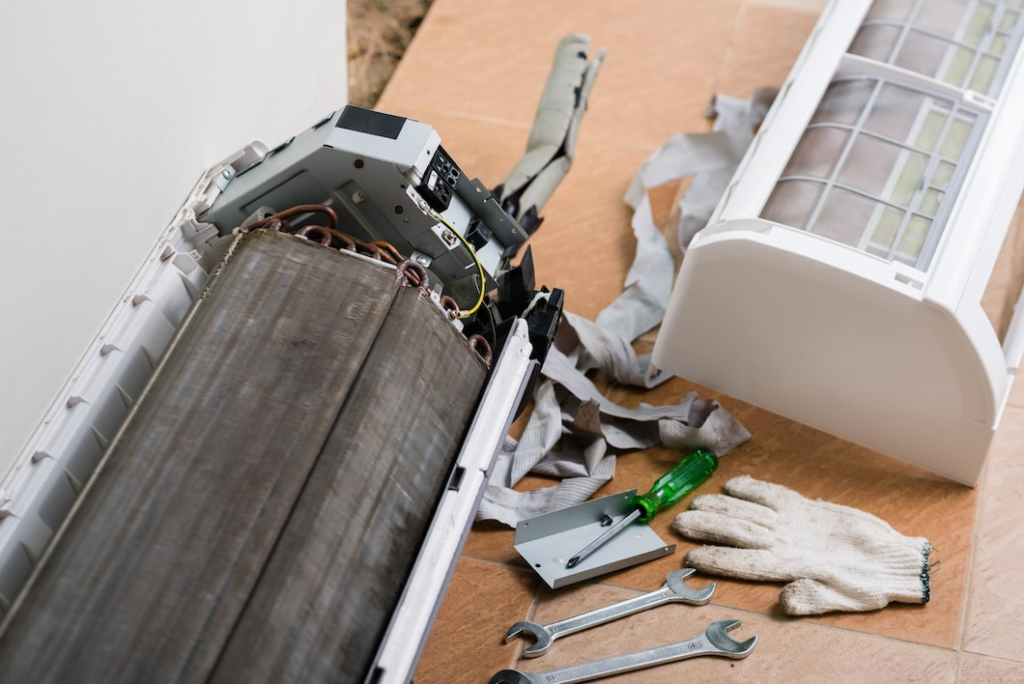
A dirty evaporator coil is another very common issue. Even if the filter catches some dirt, fine dust still builds up inside over time. Once the coil is coated, it cannot absorb heat efficiently. The aircond may blow air, but it feels only slightly cool or even close to room temperature. In many cases, normal servicing helps, but if the coil is heavily contaminated, chemical cleaning may be needed.
Low refrigerant gas is another major reason. Aircond gas does not get “used up” under normal conditions, so if it is low, there is usually a leak somewhere. A technician should not just top it up and leave. The better approach is to inspect the system, find the leak if possible, repair it, and then refill to the correct level. Otherwise, the cooling may improve only for a short time.
Compressor problems can also cause poor cooling. The compressor is the part that circulates refrigerant and supports the entire cooling cycle. If it is weak, overheating, or failing to start properly, the unit may run without producing enough cold air. This is more serious than a dirty filter and usually needs professional diagnosis.
A frozen coil is another possibility. This sounds odd in a hot climate, but it happens often. Poor airflow, low gas, or dirty internal parts can cause ice to form on the coil. When that happens, cooling performance drops sharply. You may notice water leakage later, once the ice melts.
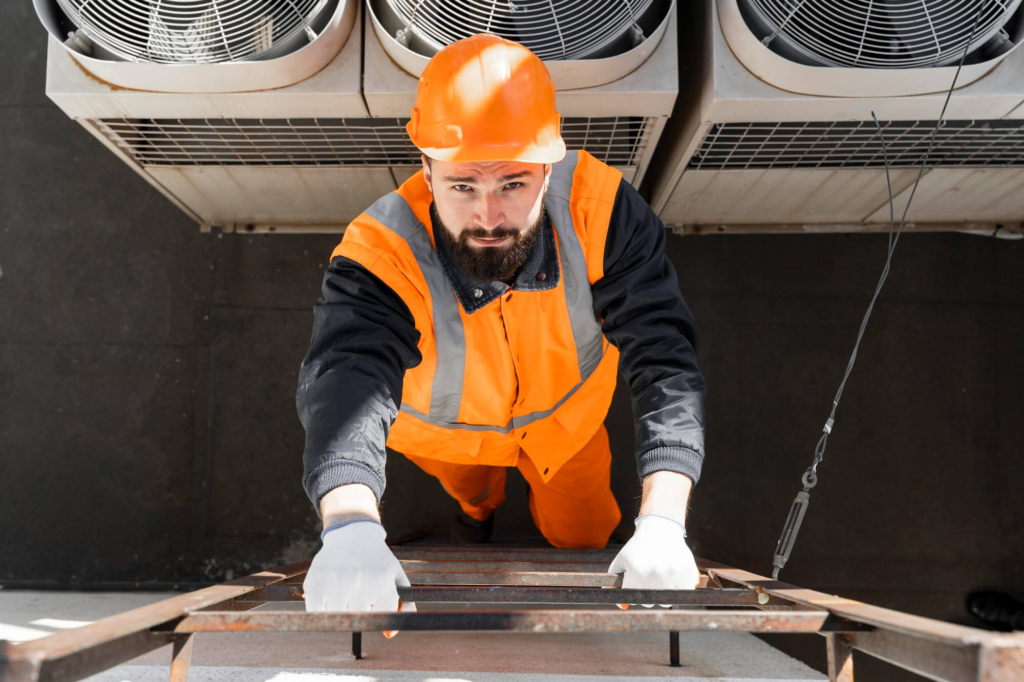
Outdoor unit trouble matters too. If the condenser is dirty, blocked, or not ventilating heat properly, the system cannot release heat efficiently. The result is weak cooling indoors. This is especially common where the outdoor unit is exposed to dirt, leaves, grease, or cramped installation space.
Quick checks you can do before booking service
If your aircond is not cooling, you can do a few safe checks first. Look at the remote setting and confirm it is on cool mode with a low temperature setting. Check whether the indoor filter looks dusty. Stand near the indoor unit and see if airflow feels weak. Then check the outdoor unit from a safe distance – if it sounds abnormal, is unusually hot, or the fan is not spinning, that is a strong sign the system needs attention.
You should also pay attention to symptoms around the cooling problem. Water dripping from the indoor unit, bad smells, ice on the piping, strange noises, or frequent on-off cycling all help narrow down the cause. These signs matter because weak cooling is often just the first symptom, not the only one.
What you should not do is keep lowering the temperature and forcing the unit to run nonstop for days. That usually does not solve the issue. It only puts more strain on the compressor and increases electricity use.
When poor cooling is a servicing issue and when it is a repair issue
This is where many customers get confused. Not every non-cooling problem needs a major repair. In many cases, overdue servicing is the main reason the unit cannot cool effectively. If the system has not been cleaned for months, airflow and coil performance can drop enough to make the unit feel “spoiled” when it is really just dirty.
Regular servicing is often enough when the issue involves dust, light blockage, minor drainage problems, and routine maintenance neglect. Chemical cleaning is more suitable when there is heavy dirt buildup, slime inside the coil, stubborn odor, or repeated poor cooling after standard service.
Repair is more likely when the problem involves refrigerant leakage, capacitor failure, compressor issues, sensor malfunction, PCB faults, or fan motor problems. The only reliable way to separate these is proper troubleshooting by an experienced technician. Guesswork wastes time and money.
Why your aircon cools one room badly but another room fine
If one unit cools well and another does not, the problem may be specific to that unit rather than the whole property. But room conditions also matter. A larger room, direct afternoon sun, poor insulation, high ceiling height, and constant door opening all make the aircond work harder.
That said, room conditions should not be used as an excuse for obvious equipment problems. If a bedroom used to cool well and suddenly does not, something has changed. Dirt buildup, gas leakage, or component wear is more likely than the weather alone.
For offices and commercial spaces, cooling issues can also come from underpowered units, long operating hours, or delayed maintenance schedules. When the system runs daily with high foot traffic, servicing intervals usually need to be shorter.
Why fast action saves money
Weak cooling rarely improves on its own. A dirty system becomes dirtier. A small leak becomes a bigger leak. A struggling compressor keeps pulling power while giving poor results. That is why early troubleshooting matters.
The cost difference can be significant. A standard service or cleaning job is usually far more affordable than waiting until a major component fails. For landlords and property managers, delayed action also means more tenant complaints and possible damage from leaks or overflow. For businesses, poor cooling affects staff comfort, customer experience, and daily operations.
This is where a responsive local service provider makes a real difference. If you need same-day checking, clear problem identification, and honest pricing before work starts, AirconServices.my is built around exactly that kind of fast, practical support.
When to call a technician immediately
If the aircond is blowing warm air, leaking water, tripping the breaker, making loud noises, freezing up, or turning on without cooling, it is time to book inspection. The same goes if you have already cleaned the filter and checked the settings but the problem is still there.
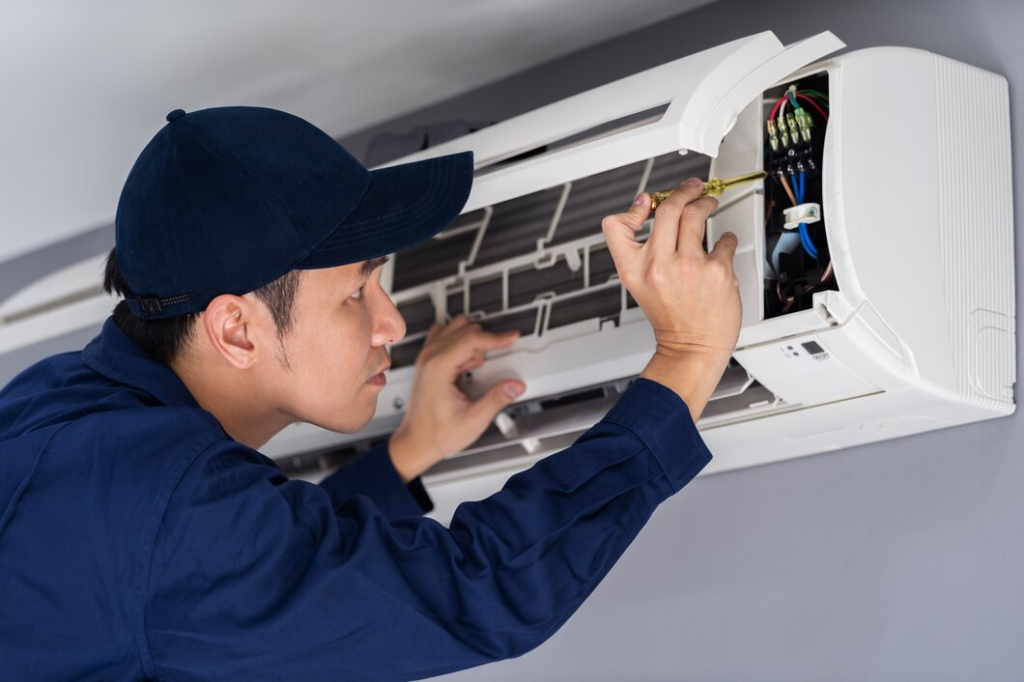
A qualified technician can test gas pressure, inspect electrical parts, check the compressor, clean internal components, and confirm whether the issue is maintenance-related or repair-related. That matters because the wrong fix can cost more in the long run. Simply refilling gas without checking for leaks, for example, may give you temporary cooling but not a lasting solution.
If you are still wondering why is my aircon not cooling, the best answer is usually found quickly once the unit is properly checked. Most non-cooling problems follow a pattern, and the sooner you act, the easier and more affordable the fix tends to be. A cool room should not feel like a guessing game.