When your air conditioner starts blowing weak air, leaking water, or giving off a damp smell, regular servicing may no longer be enough. That is usually the point where an aircon chemical cleaning service makes sense. It is not just a deeper wash. It is a targeted service for units that are already showing signs of heavy dirt buildup, clogged drainage, or reduced cooling performance.
For homeowners, tenants, and business operators, the main concern is simple – get the unit cooling properly again without wasting money on the wrong service. Chemical cleaning can solve real performance issues, but it is not something every air conditioner needs on every visit. Knowing when to book it helps you avoid unnecessary cost and bigger repair problems later.
What an aircon chemical cleaning service actually does
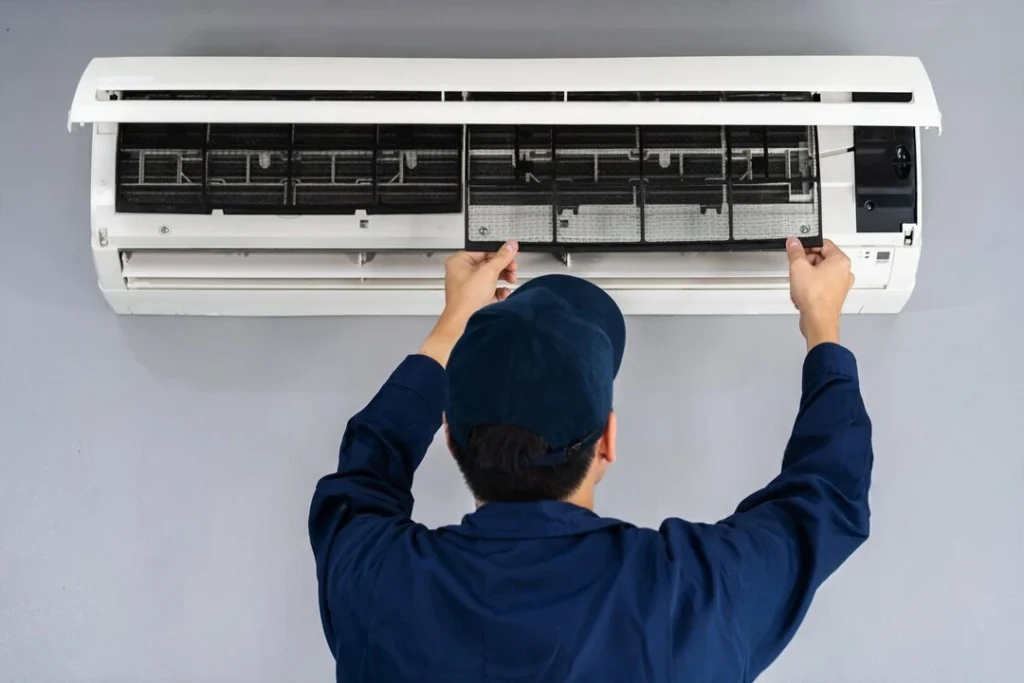
A standard aircon service usually covers basic cleaning of filters, checking airflow, and making sure the unit is running normally. An aircon chemical cleaning service goes further. The technician dismantles key parts of the indoor unit and cleans internal components using a chemical solution designed to remove stubborn dirt, slime, mold residue, and grease that plain water or surface cleaning cannot fully clear.
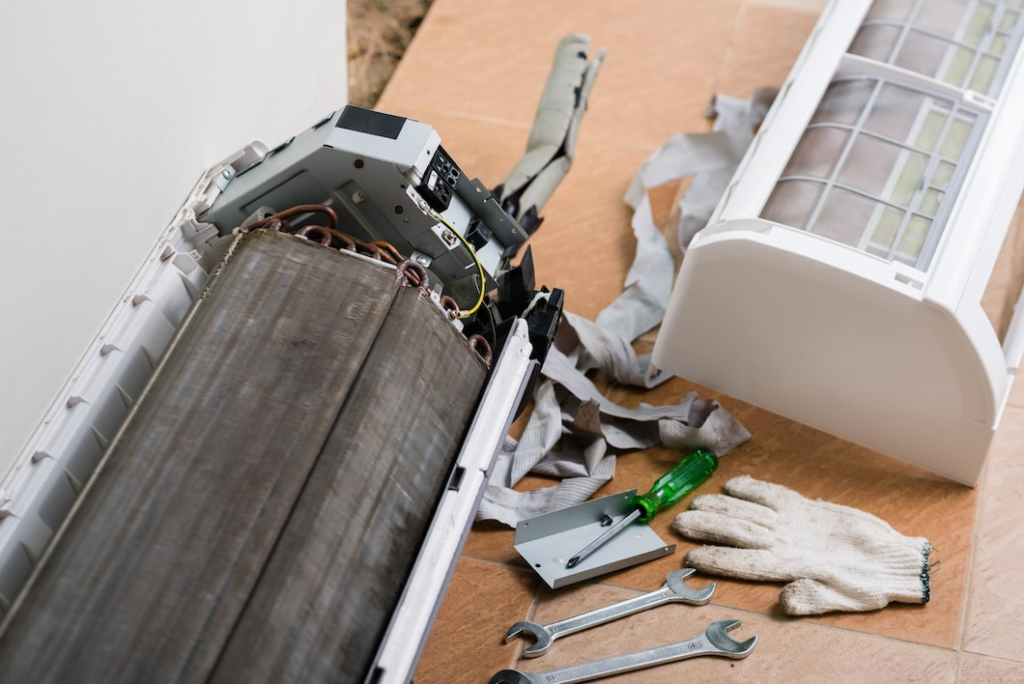
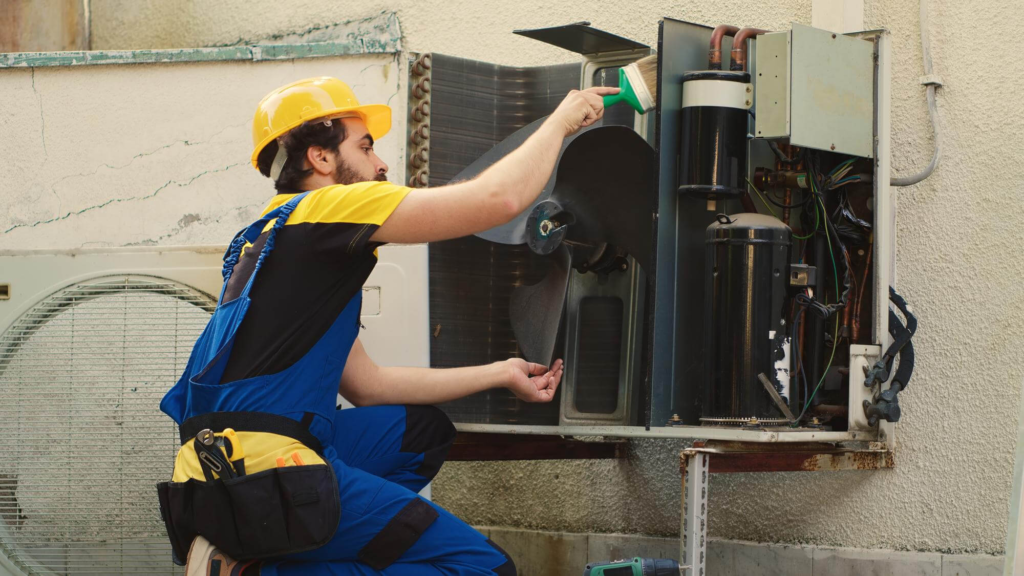
This process usually focuses on the evaporator coil, blower wheel, drainage tray, and connected parts where dust and moisture collect over time. In some cases, the outdoor unit may also need cleaning if it is packed with debris and affecting heat transfer. The goal is to restore airflow, improve cooling efficiency, and reduce strain on the system.
The word chemical sometimes worries customers, but in professional HVAC work, it refers to cleaning agents used carefully by trained technicians. The service is meant to clean internal buildup safely, not to damage the coil or plastic parts. That is why workmanship matters. A rushed or careless job can create new problems instead of solving the old one.
Signs you may need aircon chemical cleaning service
The strongest sign is poor cooling even though the unit is still turning on and running. If you lower the temperature but the room stays warm for too long, internal dirt may be blocking proper airflow or heat exchange. Another common sign is water leaking from the indoor unit. When sludge and grime clog the drain system, condensation cannot flow out the way it should.
Bad odor is another clue. If your air conditioner smells musty when it starts up, there may be mold and trapped dirt inside the blower or drain pan. In offices, shops, and rental units, this becomes more than a comfort issue because it affects the indoor environment for staff, tenants, and customers.
You may also notice unusual noise from the fan section, weak air from the louvers, or ice forming on the coil. These symptoms do not always mean chemical cleaning is the answer. Sometimes low refrigerant, a faulty fan motor, or sensor issues are involved. A proper inspection matters because the right fix depends on the actual cause.
When chemical cleaning is worth paying for
Chemical cleaning is worth it when a unit has gone too long without proper maintenance, especially in homes with daily aircon use. It is also a practical option for rental properties where the previous occupant may not have serviced the unit regularly. In commercial spaces, heavy use and long operating hours can cause faster dirt buildup, so deeper cleaning may be needed more often than in a spare bedroom at home.
It also makes sense after repeated water leakage issues, ongoing odor problems, or a clear drop in performance that basic servicing did not fix. In those cases, paying for a deeper service can be cheaper than letting the system work harder month after month until a larger repair appears.
That said, it is not automatically needed for every air conditioner every six months. If the unit is cooling well, has no smell, no leak, and has been maintained on schedule, a regular service may be enough. Honest technicians will say that. Customers usually appreciate straightforward advice more than being pushed into a higher-cost job.
What happens during the service visit
A proper technician starts with inspection, not guesswork. They check the unit condition, ask about symptoms, and confirm whether chemical cleaning is suitable. If the issue looks electrical or related to refrigerant pressure, they should explain that before proceeding.
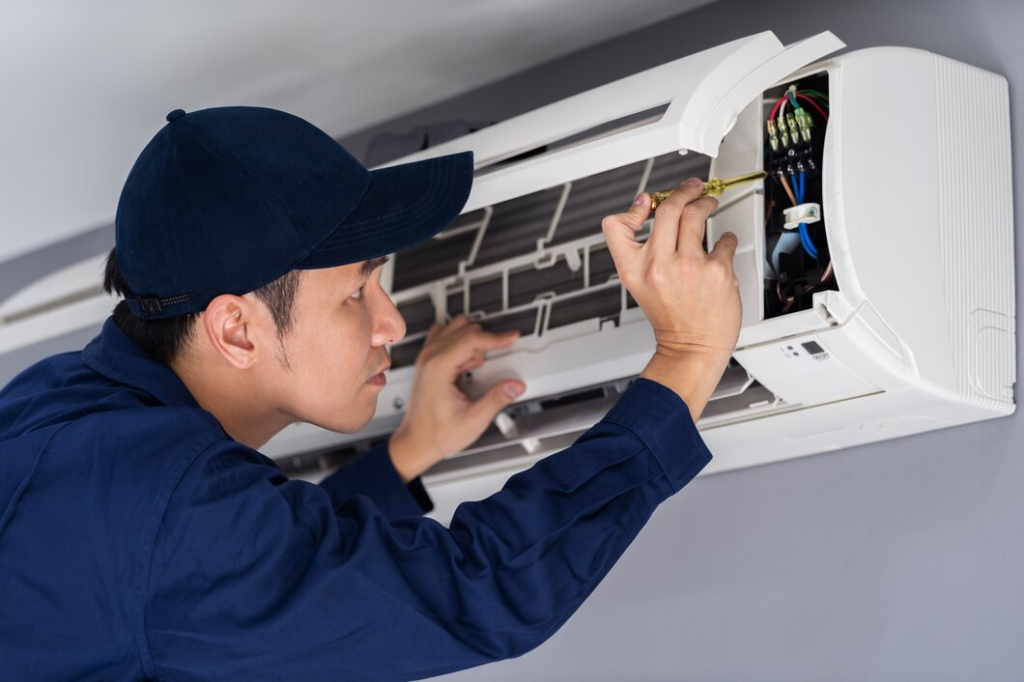
Once the job begins, the indoor unit cover and selected components are removed for cleaning. The coil, blower, and drainage system are treated and washed to clear packed dirt and sticky residue. The technician then reassembles the unit, tests drainage, and checks whether airflow and cooling have improved.
This is also the right time to flag related issues such as worn insulation, damaged drain piping, weak capacitors, or low gas pressure. Chemical cleaning helps cleanliness and airflow, but it does not replace every repair. Good service means telling the customer what was fixed, what still needs attention, and what can wait.
Cost, value, and the trade-off
Most customers want the same answer first – how much will it cost? Chemical cleaning costs more than standard servicing because it takes longer, involves dismantling, and requires more technician care. The price can also vary depending on unit horsepower, wall-mounted versus cassette systems, and how severe the dirt buildup is.
The better way to look at it is value, not just price. If a chemical clean restores cooling, stops leaking, and helps the system run with less strain, it can delay bigger repair bills and improve daily comfort right away. For a shop, office, or homestay unit, that matters because downtime affects business and complaints build quickly.
The trade-off is that not every underperforming unit needs this service. If the problem is low refrigerant from a leak, chemical cleaning alone will not solve it. If a compressor is failing, cleaning will not reverse that either. The best service companies are clear about this because the real goal is solving the problem, not selling the most expensive line item.
Choosing a provider without getting burned
If you are booking this type of work, experience matters. You want a provider that handles air conditioning daily, not a general handyman offering everything under the sun. Ask whether the technicians are familiar with your type of unit and whether they inspect before recommending chemical cleaning.
Transparent pricing is a good sign. So is a clear explanation of what is included, whether parts are covered separately, and whether workmanship comes with a service warranty. Fast response also matters when your unit is leaking or a business space cannot stay cool. In busy areas across Selangor, same-day scheduling can make a real difference when the problem is urgent.
It also helps to choose a team that communicates plainly. You should know if your unit needs standard service, chemical cleaning, gas top-up, or actual repair. When the explanation is too vague, customers often end up paying twice – first for the wrong service, then for the real fix.
How to keep the problem from coming back
Chemical cleaning works best when it is followed by regular maintenance. If filters are never cleaned, rooms stay dusty, or the unit runs for long hours with poor ventilation, dirt will build up again faster. The answer is not always more chemical washes. It is better maintenance habits and timely servicing.
For homes, regular service intervals depend on usage. A master bedroom unit used every night may need more attention than a guest room unit used once a month. For offices, retail spaces, and managed properties, a scheduled maintenance plan is usually the smarter move because it prevents complaints and keeps cooling performance more consistent.
If you manage multiple units, it helps to service them before problems become obvious. Waiting until there is a leak, smell, or poor cooling usually means higher cost and more disruption. Preventive care is less dramatic, but it is often the cheaper route.
A dependable aircon chemical cleaning service should leave you with a cooler room, cleaner airflow, and a clear idea of your unit’s actual condition. That is what practical service looks like – no hidden charges, no confusing talk, just the right work done at the right time so your air conditioning stays reliable when you need it most.