A tenant reports that the bedroom aircon is dripping onto the floor at 10 p.m. The unit has been running weakly for weeks, but nobody raised it earlier. Now there is a wet wall, an unhappy tenant, and a repair bill that could have been avoided. Aircon maintenance for landlords is not just another property expense. It is a practical way to prevent urgent calls, protect the unit, and keep good tenants comfortable.
For rental homes, condos, shoplots, and small offices, air conditioning is often treated as part of the property’s basic condition. When it fails, the issue quickly becomes personal for the occupant and expensive for the owner. A clear maintenance plan gives you more control over both.
Why Landlords Should Maintain Aircon Before It Fails
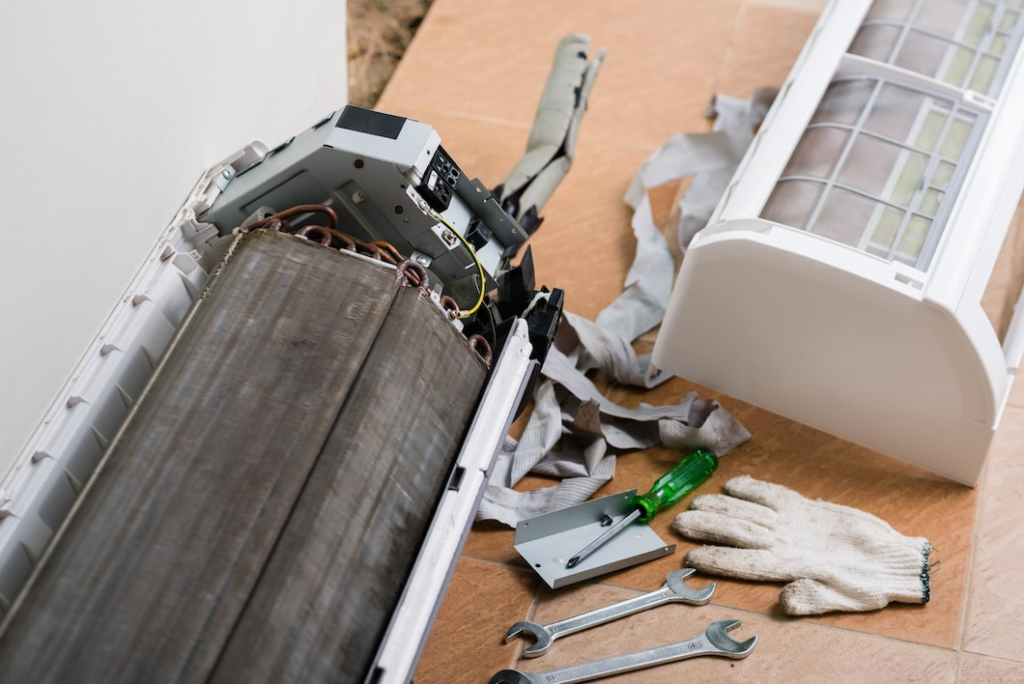
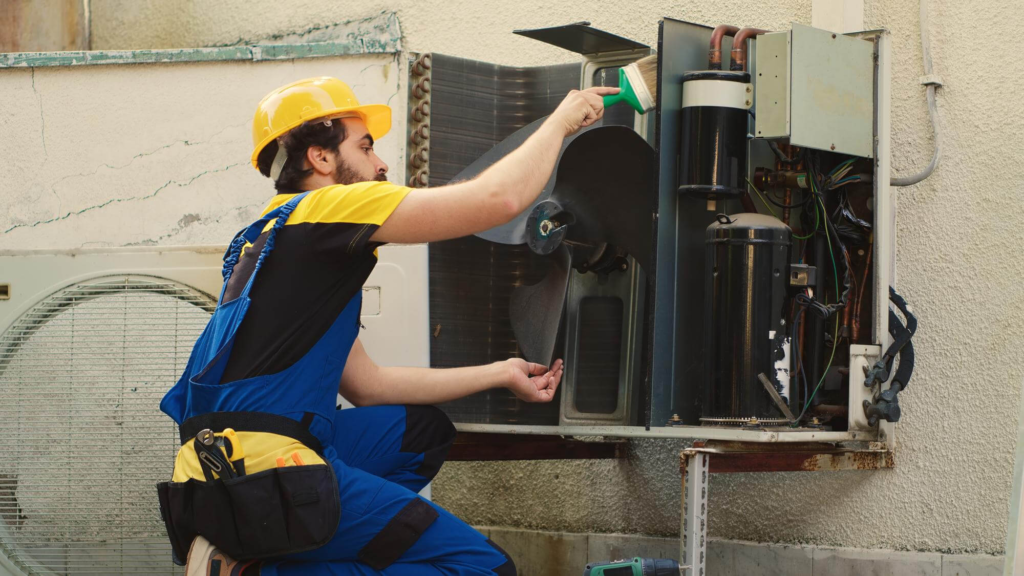
An aircon system does more than cool a room. It manages humidity, moves air through filters and coils, and drains condensation outside. In a humid climate, small problems can build up fast. A clogged drain pipe can cause water leaks. Dirty filters and evaporator coils can restrict airflow and make a unit feel less cold. A neglected outdoor condenser may work harder, use more electricity, and wear down sooner.
For landlords, the cost is not limited to the repair itself. A leak may stain a ceiling, damage paint, affect furniture, or create a dispute about who is responsible. Poor cooling can lead to repeated messages from tenants, especially in bedrooms, living rooms, and workspaces where the aircon runs for long hours.
Routine servicing helps technicians spot warning signs before they turn into a breakdown. It also creates a useful service record. If a tenant says the aircon has never worked properly, you can check when it was last inspected, what work was done, and whether there were earlier recommendations.
Aircon Maintenance for Landlords: What Belongs in the Plan
There is no single schedule that fits every rental property. A lightly used unit in a spare room needs less attention than aircons in a family home, a shared rental, or a busy retail space. As a general working plan, arrange basic servicing every three to six months for frequently used units. For lower-use residential units, a professional inspection at least once a year is a sensible minimum.
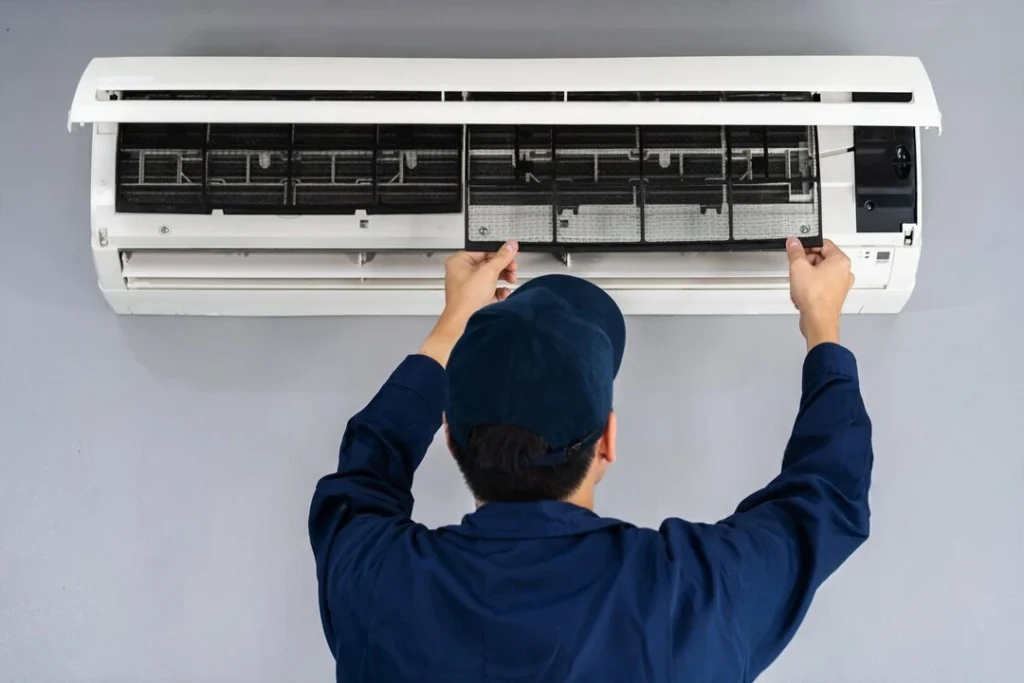
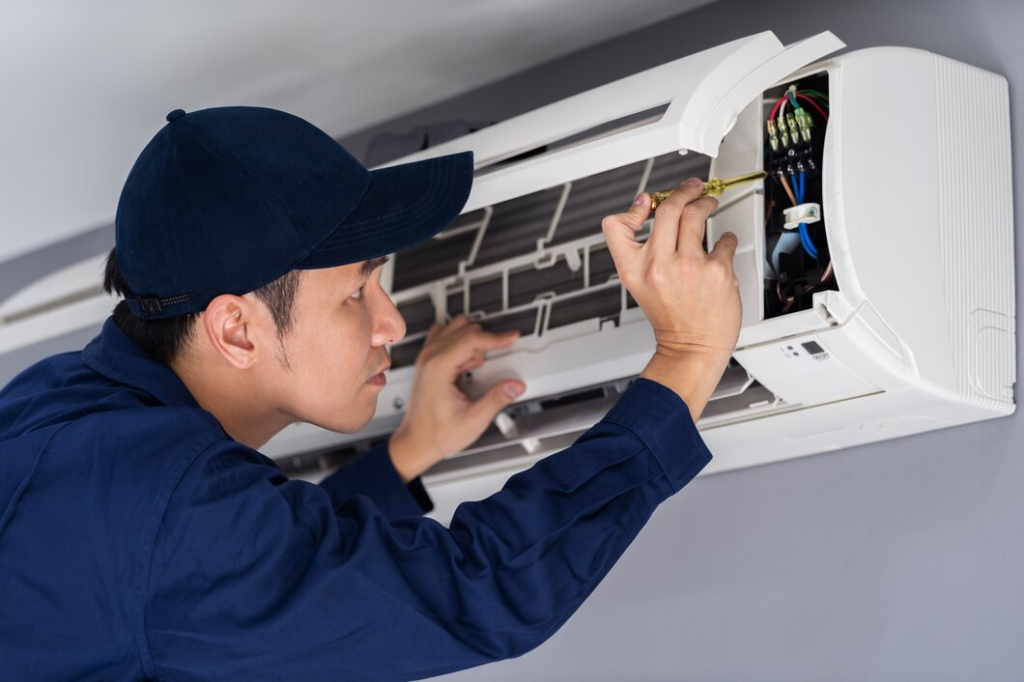
A proper service should include cleaning accessible filters, checking airflow and cooling performance, inspecting the drain system, and looking for signs of water leakage or unusual noise. The technician should also assess the indoor and outdoor units, electrical connections, fan operation, and general condition of the piping and insulation.
Chemical cleaning is not required at every visit. It is usually considered when there is heavy dirt buildup, persistent odor, weak cooling despite normal servicing, or recurring drainage issues. It can restore performance in the right situation, but it should solve a specific condition rather than be sold as a default add-on for every unit.
Gas refill is another area where landlords should ask questions. Refrigerant does not normally run out through ordinary use. If the gas level is low, there may be a leak that needs to be located and repaired. Refilling without addressing a leak can mean paying for the same problem again later.
Set Clear Responsibilities in the Lease
Many aircon disputes begin because expectations were never written down. Your lease should clearly state which aircon units are included with the property, their condition at handover, and who is expected to handle day-to-day care.
Landlords commonly take responsibility for normal wear, major repairs, replacement of faulty supplied units, and professional servicing. Tenants may be asked to use the units reasonably, clean filters if agreed, report leaks or poor cooling promptly, and avoid unauthorized repairs. The exact arrangement depends on the lease and local requirements, so it is wise to use terms appropriate to your property and seek legal advice where needed.
At move-in, record the model, room location, remote controls, visible condition, and whether each unit cools properly. Photos and a simple inspection checklist can save time later. If one unit is already noisy or slow to cool, fix it before the tenant moves in rather than leaving room for confusion about when the issue started.
Watch for Problems That Need Fast Service
Not every issue requires an emergency visit, but some should not wait until the next scheduled appointment. A dripping indoor unit can damage walls and flooring. A burning smell, repeated circuit trips, or sparking requires immediate shutdown and professional inspection. Loud grinding, banging, or continuous rattling can signal a mechanical problem that may worsen with use.
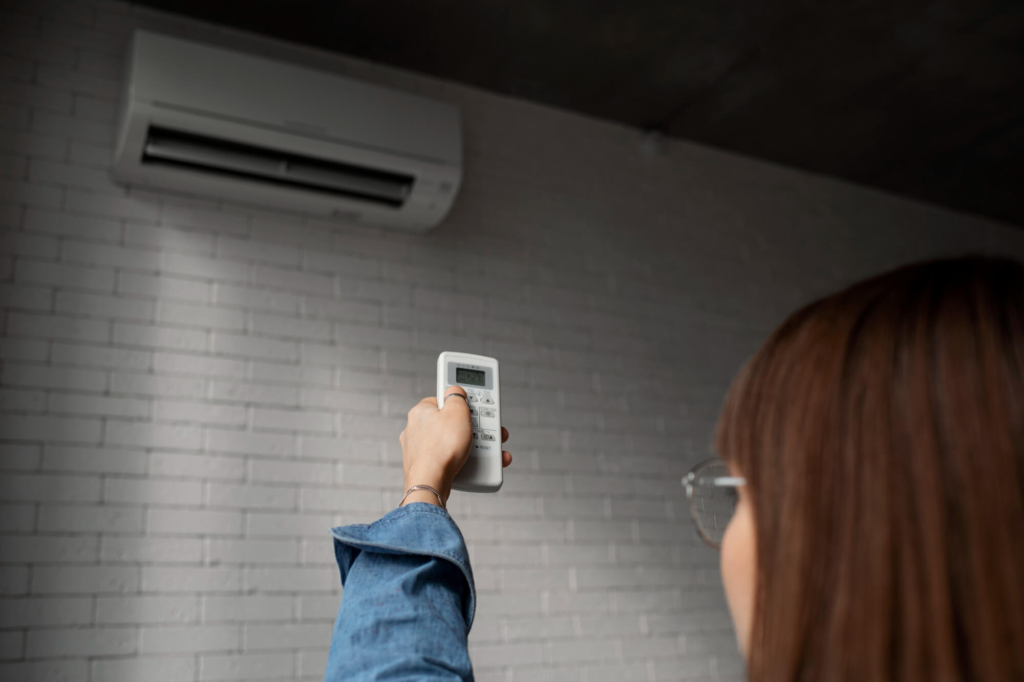
Poor cooling deserves attention too. First, check simple causes such as the remote setting, dirty filters, closed windows, or a blocked outdoor unit. If the room still stays warm after normal use, arrange a technician visit. Continuing to run a struggling system can place more strain on the compressor and increase the chance of a larger repair.
Musty odors are also worth investigating. They may come from dirt and moisture around the indoor coil or drainage area. Besides making the room unpleasant, the odor can be a sign that the unit needs a deeper clean. Tenants should not be expected to tolerate a leaking, foul-smelling, or clearly underperforming aircon while a landlord waits for a more convenient time.
Make Maintenance Easier Across Multiple Properties
If you manage more than one rental unit, the challenge is rarely deciding whether maintenance matters. The challenge is keeping track of it. A simple property log is enough. Record each unit’s location, service date, technician findings, work completed, warranty details, and next recommended service date.
It is often more efficient to schedule several units at one property on the same day, especially between tenancies. Turnover is an ideal time to inspect aircons because access is easier and repairs can be completed before a new tenant arrives. It also lets you start the next lease with a clean record and fewer surprises.
For occupied properties, give tenants a clear contact process. Ask them to report the room, unit type, symptoms, when the problem started, and whether there is an active water leak. A short video of unusual noise or dripping can help a technician prepare for the visit. Clear information speeds up diagnosis and avoids unnecessary repeat trips.
Choose Service Based on Condition, Not Just Price
The cheapest callout is not always the lowest-cost decision. A rushed service that misses a blocked drain, loose connection, or refrigerant leak can lead to another visit and more tenant frustration. Look for a provider that explains the issue in plain language, gives a clear quote before additional work, and provides warranty-backed workmanship where applicable.
Ask whether the technician will check the drainage system, cooling output, and visible electrical condition, not simply wash the filters. If chemical cleaning, gas refill, or parts replacement is recommended, request the reason and the expected result. Honest recommendations help landlords approve necessary work without paying for services that do not match the unit’s actual condition.
For landlords in Selangor managing urgent repairs between tenants or during an active tenancy, fast local support can make a real difference. AirconServices.my provides practical servicing, leak fixes, troubleshooting, chemical cleaning, and repair support with clear communication and responsive scheduling.
Protect the Property, Not Just the Aircon
A reliable aircon plan is really a property protection plan. Regular service reduces the chance of leaks, helps systems cool efficiently, and shows tenants that maintenance concerns will be handled professionally. Keep records, respond early to warning signs, and schedule inspections before the hottest, busiest periods. The next tenant call may still come at an inconvenient time, but it is far less likely to become an expensive crisis.