Your air conditioner is running, the room is still warm, and water may be starting to drip from the indoor unit. Before assuming the system needs a costly replacement, a few air conditioner repair troubleshooting checks can help identify whether the issue is simple maintenance or a problem that needs a technician.
For homes, rental units, offices, shops, and managed properties, the goal is not to take apart the unit. It is to spot the symptoms early, avoid damage, and arrange the right repair without paying for unnecessary work. Start with the easy checks, then stop if there are electrical smells, heavy leaking, ice buildup, or unusual mechanical noise.
Start Air Conditioner Repair Troubleshooting Safely
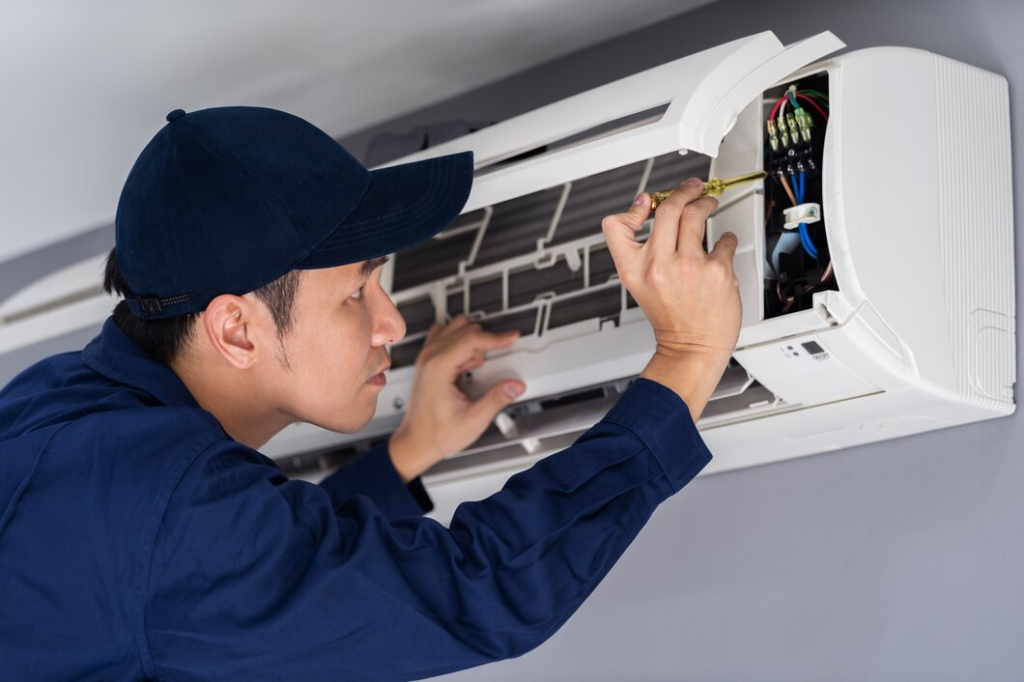
Turn the unit off before inspecting anything beyond the remote control, air filter, or visible drain area. Never remove electrical covers, touch wiring, or attempt to refill refrigerant yourself. Refrigerant handling, compressor work, capacitor replacement, and electrical diagnostics require proper tools and trained technicians.
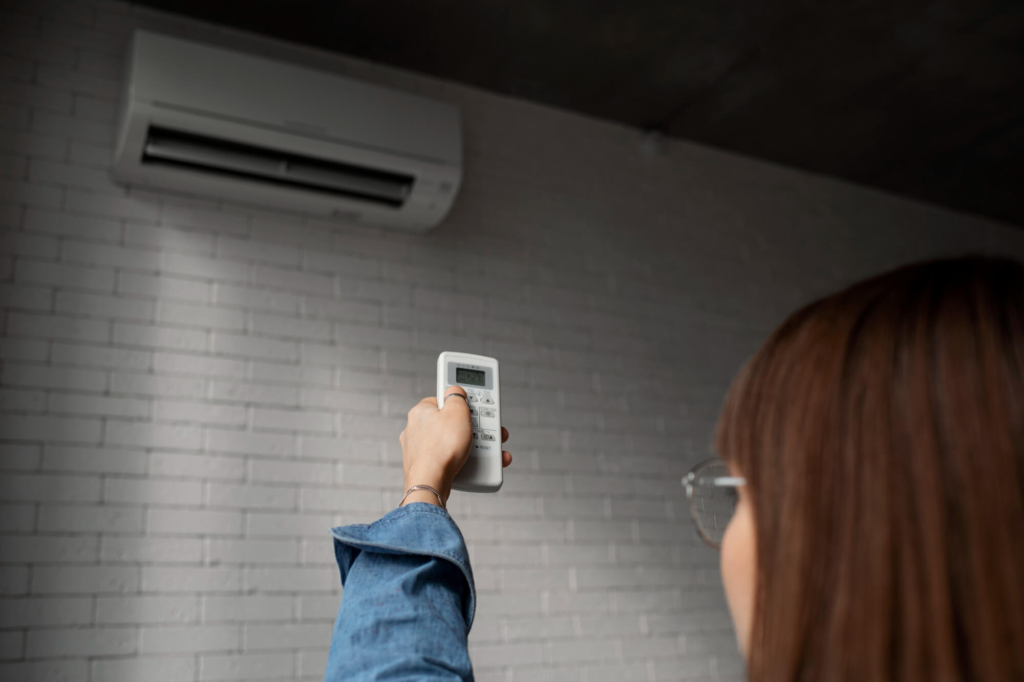
Check whether the air conditioner has power first. Confirm the remote has fresh batteries, the temperature is set below the room temperature, and the mode is set to Cool rather than Fan, Dry, or Auto. A unit in Fan mode can sound normal while delivering little or no cold air.
Next, check the circuit breaker. If it has tripped once, reset it only once after switching the air conditioner off. If it trips again when the unit starts, do not keep resetting it. Repeated trips can point to an electrical fault, a failing compressor, or a damaged component.
A quick visual inspection is useful too. Look for blocked outdoor-unit airflow, a heavily clogged filter, water around the indoor unit, or ice on the copper piping. These details help a technician diagnose the problem faster and give you a clearer explanation of the repair needed.
AC Runs but Is Not Cooling Enough
Weak cooling is one of the most common complaints, especially during hot, humid weather. The cause may be as simple as poor airflow, but it can also indicate low refrigerant, a dirty evaporator coil, a failing fan motor, or an undersized system for the room.
Check the filter and airflow
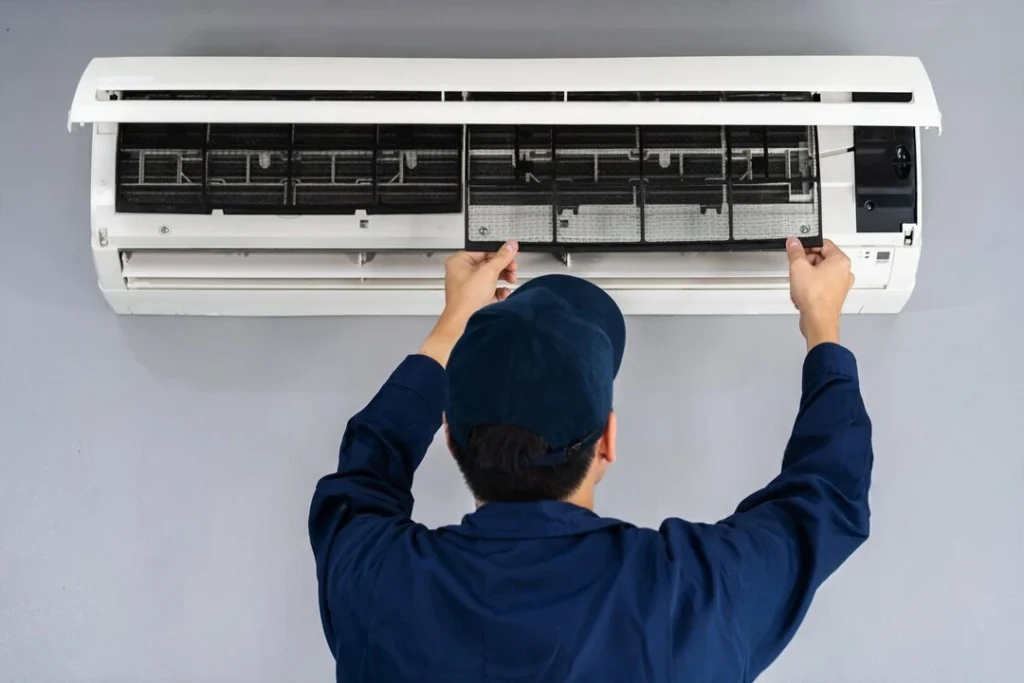
A dirty filter restricts airflow and forces the system to work harder. Remove and inspect it. If it is covered in dust, wash a reusable filter according to the unit instructions and let it dry completely before reinstalling it. Replace disposable filters with the correct size and type.
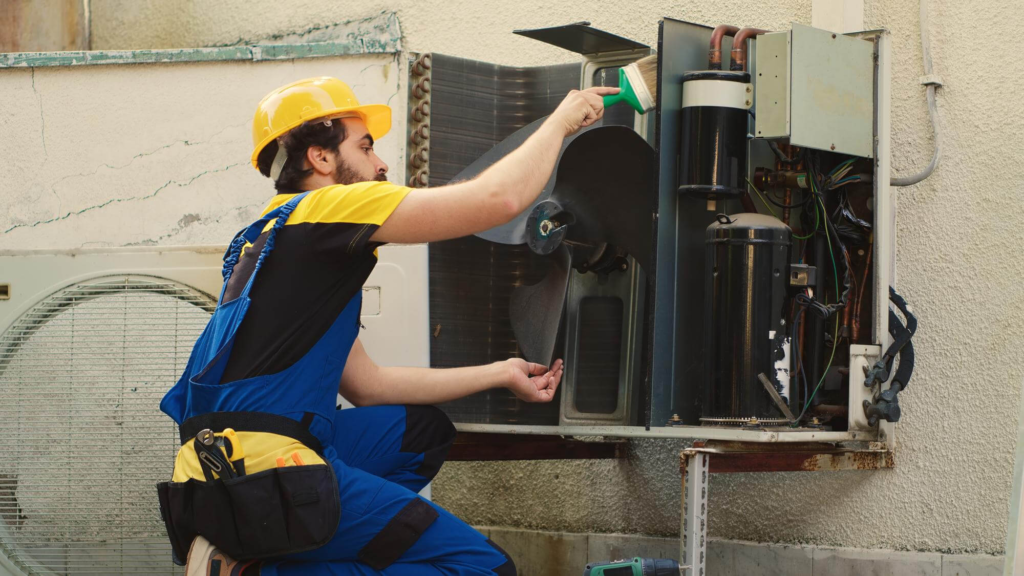
Also make sure curtains, cabinets, boxes, or furniture are not blocking the indoor air outlet. For split systems, the outdoor condenser needs open space around it to release heat. Leaves, plastic bags, and dense debris around the outdoor unit can reduce cooling performance.
If airflow feels strong but the air is only mildly cool, the issue is less likely to be the filter alone. Refrigerant loss, coil contamination, or compressor performance may need professional testing.
Consider room conditions before assuming a fault
An air conditioner can struggle even when it is mechanically sound. Direct afternoon sun, open doors, frequent customer traffic, cooking heat, large glass windows, and too many occupants can overwhelm a small unit. This is common in retail spaces and offices where the original AC capacity no longer matches how the room is used.
If cooling was previously good and has become noticeably weaker, maintenance or repair is more likely than a sizing problem. A technician can check operating pressure, temperature difference, drainage, coils, and electrical components before recommending gas refill or replacement.
Water Leaking From the Indoor Unit
Water dripping from the indoor unit is not a problem to ignore. It can stain ceilings, damage walls, affect flooring, and create hygiene concerns if mold develops around the drain area.
The most common cause is a blocked condensate drain pipe. Your air conditioner removes humidity from the air, and that moisture must drain away correctly. Dust, slime, algae, and dirt can clog the pipe, causing water to back up and spill from the indoor unit.
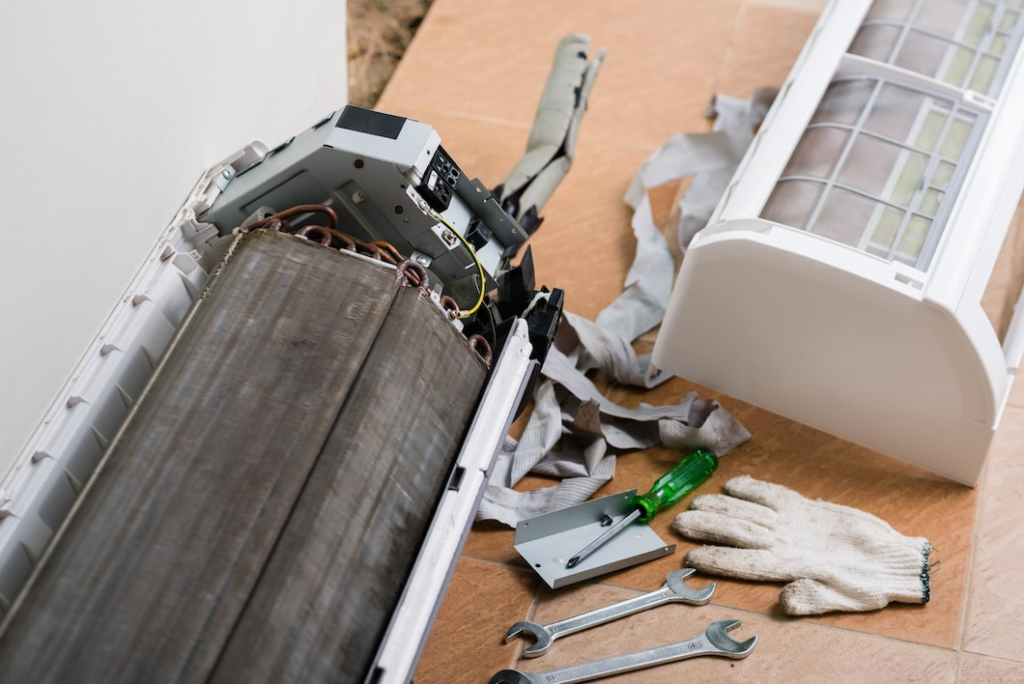
A dirty evaporator coil or filter can contribute to the problem by restricting airflow and allowing the coil to freeze. When the ice melts, the drain pan may overflow. Low refrigerant can also cause coil freezing, so a leak is not always just a drain issue.
Turn the unit off if water is dripping near electrical parts or running down a wall. Place a container or towel under the leak if safe to do so, but avoid poking wires or forcing objects into the drain line. Professional drain flushing, servicing, or chemical cleaning may be the sensible fix depending on the buildup inside the unit.
Strange Smells, Noise, and Poor Air Quality
A musty smell when the AC starts often means moisture, dust, or microbial buildup on the evaporator coil, blower wheel, drain pan, or filter. Cleaning the filter may reduce a minor odor, but a persistent smell usually needs deeper servicing. Masking the odor with air freshener does not remove the source.
A burning smell is different. Switch the unit off immediately and arrange inspection. It could be dust burning off after a long period of nonuse, but it can also signal an overheating motor, damaged wiring, or electrical component failure. It is not worth guessing.
Noise can provide useful clues. Light airflow noise is normal. Loud rattling may be a loose panel, debris, or a worn mounting point. A buzzing sound can be electrical or mechanical. Grinding, metal-on-metal noise, or a loud compressor hum followed by shutdown needs prompt professional attention.
For businesses, do not wait until staff or customers complain repeatedly. Poor air quality and noisy cooling can affect comfort, concentration, and customer experience long before the system fully fails.
When Ice Forms on the Air Conditioner
Ice on the indoor coil, copper piping, or outdoor unit is a warning sign. Turn the system off and allow it to thaw naturally. Do not chip at the ice with tools, pour hot water over components, or keep running the system to “push through” the issue.
Ice forms when the coil becomes too cold, commonly because airflow is restricted or refrigerant levels are low. A clogged filter is the simplest possibility. A dirty coil, weak blower motor, blocked airflow path, refrigerant leak, or faulty control component may also be responsible.
Once thawed, check the filter and ensure vents are open. If the unit freezes again, book a repair visit. Adding refrigerant without finding and addressing a leak is only a temporary solution. A proper repair should identify why the refrigerant level dropped in the first place.
Problems That Need a Technician Right Away
Some air conditioner problems are not suitable for DIY troubleshooting. Call for service promptly if you notice any of the following:
- The circuit breaker repeatedly trips when the AC starts.
- There is a burning smell, smoke, sparking, or visible damaged wiring.
- The indoor unit leaks heavily or water is reaching electrical areas.
- The system makes grinding, screeching, or persistent loud buzzing noises.
- The unit freezes repeatedly after the filter has been cleaned.
- The air conditioner runs constantly but cannot cool the room.
These symptoms can lead to a larger repair bill if left unresolved. A small refrigerant leak can strain the compressor. A blocked drain can damage ceilings and walls. A weak capacitor or fan motor can leave the system unable to start when you need it most.
What a Professional Repair Visit Should Include
A reliable technician should not simply add gas, restart the unit, and leave. The correct work depends on the symptom, but a proper inspection typically checks airflow, filter condition, coil cleanliness, drain performance, refrigerant pressure, electrical connections, capacitor condition, fan operation, and compressor behavior.
Ask for a clear explanation of the fault, the recommended repair, and the price before work begins. If a gas refill is suggested, ask whether a leak check is needed. If chemical cleaning is recommended, ask what buildup or performance issue makes it appropriate. Honest answers help you choose the right service rather than the most expensive option.
For property managers and business owners, keep a simple service record for each unit. Note the installation age, service dates, recurring leaks, cooling complaints, and repairs completed. This makes it easier to spot a unit that is becoming uneconomical to maintain.
Prevent the Next Breakdown
Most emergency calls begin with a small issue that was left too long. Clean or replace filters regularly, keep indoor vents unobstructed, and arrange routine servicing before peak hot-weather periods. Units in busy offices, restaurants, pet-friendly homes, or dusty areas may need more frequent attention than lightly used bedroom units.
If you need fast, practical help in Selangor, AirconServices.my can inspect cooling failures, leaks, drainage issues, and suspected gas problems with clear recommendations and workmanship you can rely on. The best next step is simple: if the symptom is getting worse, switch the unit off where necessary and arrange a qualified inspection before a minor fault becomes a full breakdown.