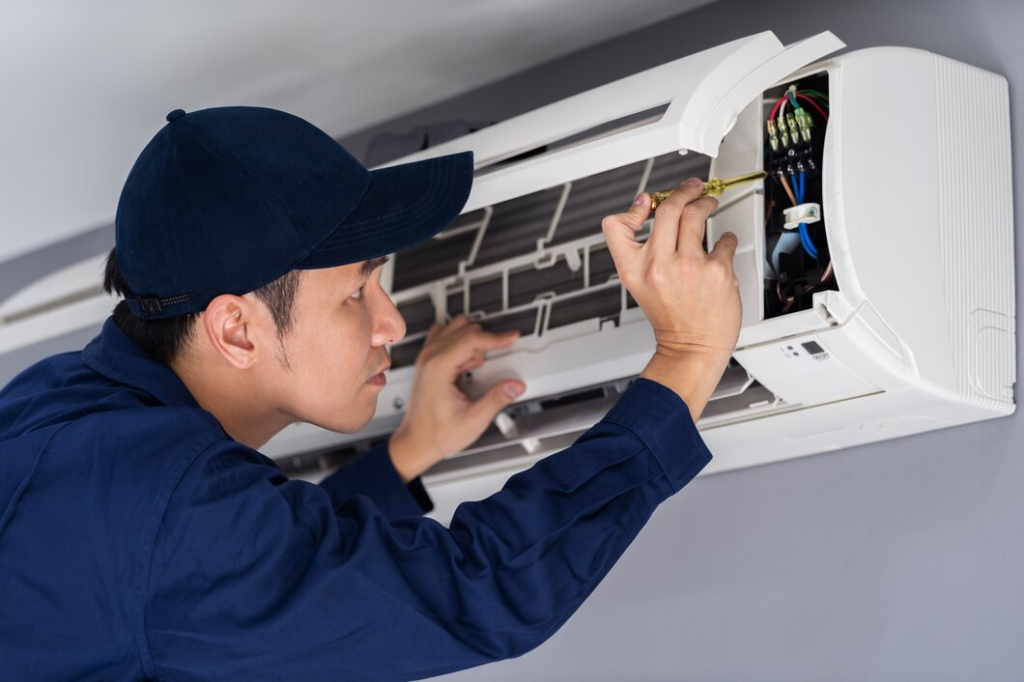
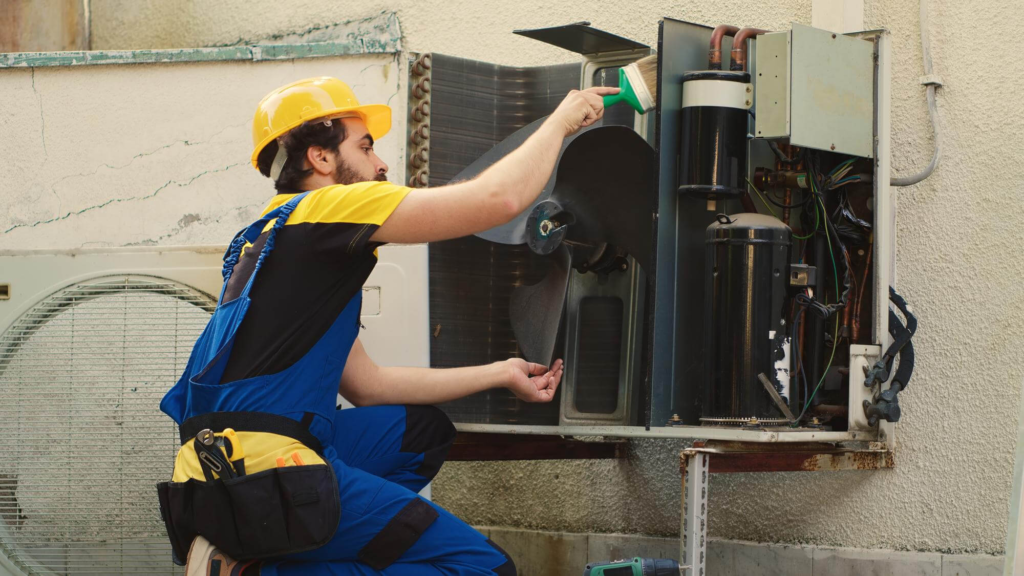
A warm office is more than a comfort issue. Staff lose focus, customers notice, equipment runs hotter, and complaints build quickly. Aircon installation for office premises needs to do more than cool a room for the first week. It must suit the layout, daily occupancy, operating hours, and electrical capacity of the business.
For offices in Selangor, a proper site assessment before installation can prevent common problems such as weak airflow, water leaks, high power bills, and units that struggle through the afternoon heat. Choosing the cheapest unit without planning the system often costs more later in repairs and replacement.
Why Office Aircon Installation Needs Proper Planning
A home air conditioner may cool one bedroom with little effort. An office has a different set of demands. There may be staff at workstations, computers producing heat, glass windows facing the sun, meeting rooms that fill up at certain hours, and doors that open regularly.
That is why capacity cannot be chosen by floor size alone. A small enclosed office with four people and several computers may need more cooling power than a larger room with low occupancy. An undersized unit runs continuously, wastes electricity, and still leaves people uncomfortable. An oversized unit may cool the space too quickly, switch on and off too often, and fail to remove humidity properly.
A professional technician should inspect the room dimensions, ceiling height, window exposure, insulation, heat-generating equipment, and expected number of occupants. This gives the business a practical recommendation instead of a guess based on horsepower alone.
Choosing the Right Aircon System for Your Office
The best system depends on how the office is used. For a small office, retail back room, or single meeting room, a wall-mounted split unit is usually a cost-effective choice. It is familiar, easy to service, and suitable when each room needs separate temperature control.
For larger open-plan offices, multiple rooms, or premises with longer operating hours, cassette, ceiling concealed, multi-split, or VRF-style systems may be more suitable. These systems can give better air distribution and a cleaner appearance, but installation costs and future servicing requirements are higher.
There is no single “best” option for every business. A wall-mounted system may be the sensible choice for a growing small business that needs affordable, independent control by room. A larger company may benefit from a centralized approach that manages several areas more efficiently. The right decision comes from balancing upfront cost, comfort, appearance, energy use, and maintenance access.
Consider Inverter Units for Daily Use
If the office air conditioning runs for many hours each weekday, inverter units are worth considering. They adjust cooling output instead of repeatedly operating at full power, which can reduce electricity consumption under normal conditions.
The savings depend on usage habits, room conditions, and whether the unit is correctly sized. An inverter air conditioner will not fix poor installation, dirty filters, blocked drainage, or a room that receives intense direct sunlight all afternoon. It still needs correct setup and routine servicing to perform well.
Placement Matters as Much as Capacity
Even a good air conditioner can perform poorly when installed in the wrong position. Indoor units should distribute air across the working area without blowing directly onto employees for the entire day. Constant cold air at a desk can cause discomfort, while weak airflow at the far end of the room creates hot spots and arguments over the temperature setting.
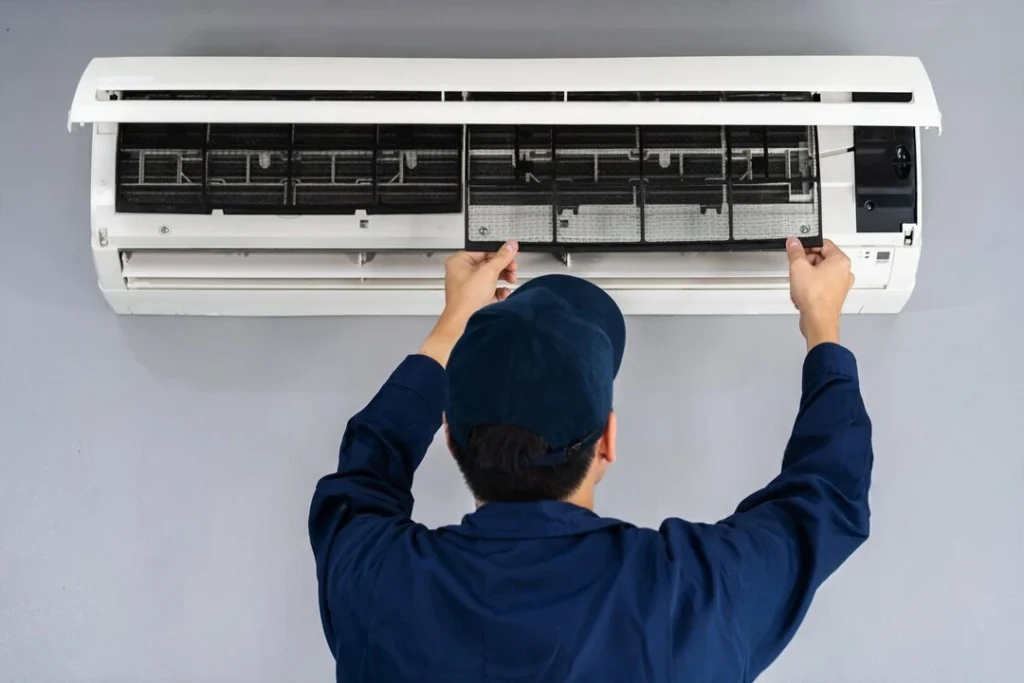
Avoid installing an indoor unit directly above sensitive equipment where possible. Air conditioners are designed to drain condensation safely, but a blocked drain pipe or poor pipe gradient can eventually cause water leakage. Proper placement helps reduce risk and gives technicians room to clean filters, coils, and drainage components later.
Outdoor condenser units also need careful positioning. They require sufficient ventilation to release heat. A condenser squeezed into a tight, enclosed area will work harder and consume more power. It should be mounted securely, away from obstructions, and located where future servicing can be carried out safely.
Do Not Overlook Drainage, Piping, and Electrical Work
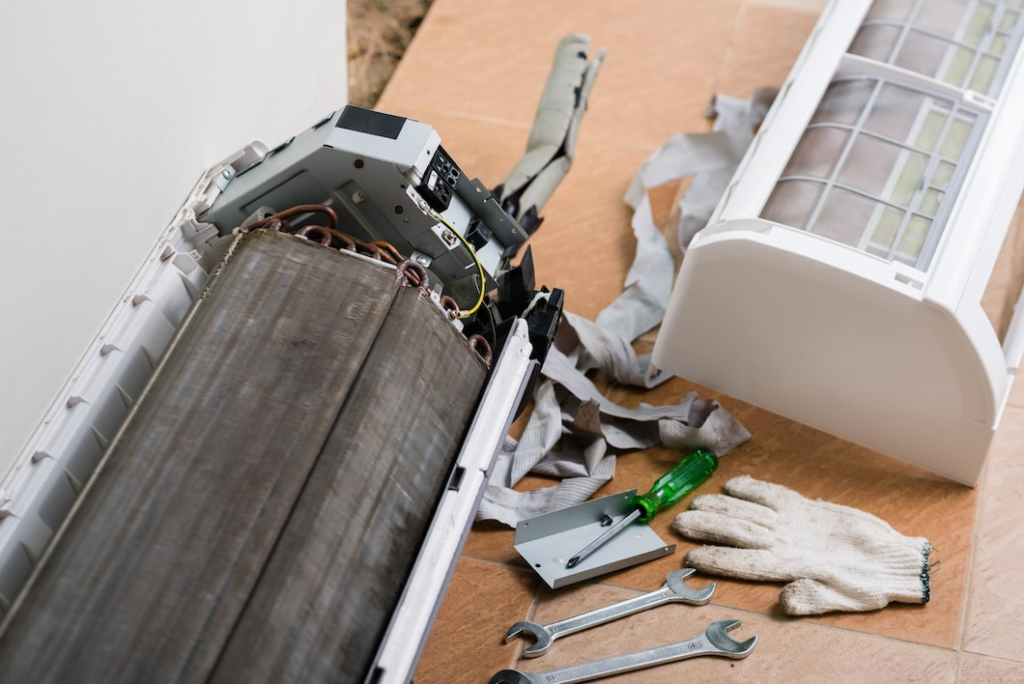
Many office aircon issues begin with installation details that are not visible once the job is finished. Refrigerant piping needs proper insulation and secure connections. Poor pipework can lead to cooling loss, condensation, and gas leaks. Drain piping needs the right slope so water flows out instead of backing up into the indoor unit.
Electrical work also deserves attention. Each air conditioner should have a suitable power supply and safe wiring arrangement. Adding several units to an existing office without checking electrical load can create tripping issues or place unnecessary stress on the system.
Ask the installer what is included in the quote. A clear quotation should explain the air conditioner capacity, installation materials, piping allowance, drainage work, electrical requirements, mounting, testing, and any charges for extra materials. Transparent pricing reduces surprises after work has started.
Plan Around Office Operations
Office installation should be organized around the business, not the other way around. Drilling, piping, testing, and access to ceilings can interrupt staff and affect customers. For a busy office, it may be better to schedule the work before opening, after business hours, or in phases by room.
Before installation day, clear the area around workstations and confirm access to the indoor and outdoor locations. Inform staff if there will be drilling noise or temporary power interruptions. If the office is in a managed building, check whether management approval is needed for outdoor units, drainage routes, or work at height.
This preparation avoids delays and helps technicians complete the work efficiently. It also prevents last-minute changes that can increase cost or compromise the installation layout.
Maintenance Should Be Part of the Installation Decision
A new air conditioner feels like a completed project, but office cooling is an ongoing operating expense. Filters collect dust, drain lines can clog, and coils gradually lose efficiency. When maintenance is ignored, the system may cool less effectively, smell unpleasant, leak water, or use more electricity.
For offices with daily use, regular servicing is a practical way to protect the investment. The service frequency depends on the environment. A quiet office with clean indoor conditions may need less frequent attention than a busy workspace near construction, a retail location with doors opening often, or an office with heavy dust exposure.
Keep an eye on early warning signs: reduced cooling, unusual noise, dripping water, ice formation, bad odor, repeated power trips, or a sudden rise in electricity bills. Addressing these issues early is usually simpler than waiting for a full breakdown during a working day.
Build a Simple Service Record
Keep a record of installation dates, unit models, servicing history, and any repairs. This is especially useful for offices with several units, landlords managing commercial properties, and businesses with multiple rooms. It helps identify recurring issues and makes it easier to plan maintenance before peak usage periods.
What to Ask Before Booking an Installer
Before approving an office installation, confirm that the technician will inspect the site and recommend capacity based on actual conditions. Ask whether the work includes pressure testing, drainage testing, and a final cooling check. You should also understand the workmanship warranty and whom to contact if there is a problem after installation.
For commercial premises, experience matters. The installer should be comfortable working around office schedules, building rules, ceiling access, and multiple-unit layouts. Fast response is valuable, but the job should not be rushed at the expense of safe piping, proper drainage, and clean finishing.
AirconServices.my provides practical office air conditioning support for businesses that need installation, troubleshooting, servicing, chemical cleaning, gas refill, or water leak solutions across Selangor. A clear site assessment and honest quote give you a better basis for deciding what your office actually needs.
A well-planned office aircon system quietly does its job: staff stay comfortable, customers feel welcome, and the business avoids unnecessary disruption. Book the assessment before the heat, leaks, or poor cooling turn into an urgent problem.