An aircon error code usually appears at the worst possible time: during a hot afternoon, before customers arrive, or when a tenant calls about a room that will not cool. Knowing how to fix aircon error code warnings starts with one rule: the code is a symptom, not a universal repair instruction. The same code can mean different things across brands and models, and forcing the unit to run can turn a minor fault into a costly repair.
What an Aircon Error Code Is Telling You
Modern split air conditioners use sensors and control boards to monitor temperature, drainage, fan operation, communication between indoor and outdoor units, and electrical conditions. When the system detects something outside its normal range, it may stop cooling and display a letter-number code, blinking light pattern, or warning symbol.
Some codes point to simple conditions, such as a dirty filter restricting airflow or a full drain tray. Others indicate faults that require professional testing, including a refrigerant leak, failed sensor, damaged wiring, compressor issue, or indoor-to-outdoor communication failure.
Do not assume that every code means the aircon needs gas. Low refrigerant is only one possible cause of poor cooling. Adding gas without finding and repairing a leak can waste money and leave the same problem returning weeks later.
How to Fix Aircon Error Code Warnings Safely
Start by taking a clear photo of the display or noting the flashing-light pattern. Include the aircon brand, model number, and whether the code appeared on the wall unit, remote, or controller. This information helps a technician diagnose faster and reduces guesswork when arranging a service visit.
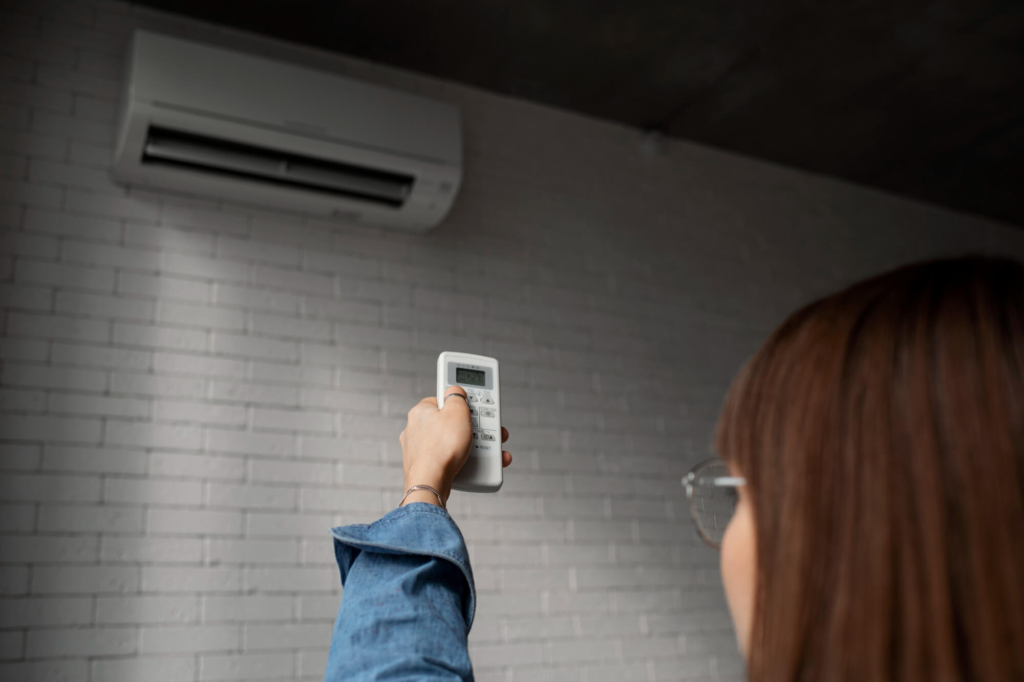
Next, turn the aircon off using the remote, then switch off the dedicated breaker or isolator for five to ten minutes. Restore power and restart the unit in cooling mode. A temporary control-board glitch may clear after a proper reset. If the code comes back immediately, do not keep resetting it repeatedly. The unit is likely detecting an active fault.
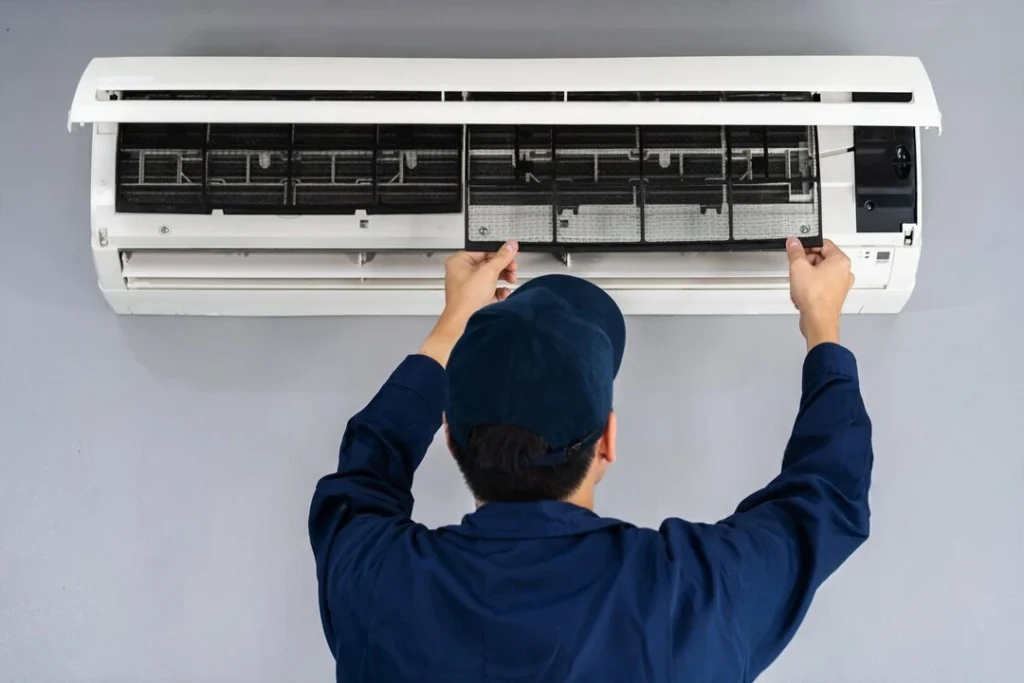
While the power is off, look for obvious, safe-to-check issues. Remove and rinse washable filters if they are visibly dusty, then allow them to dry fully before reinstalling. Check whether water is dripping from the indoor unit, pooling beneath it, or backing up through the drain pipe. Also look outside to see whether leaves, plastic, or stored items are blocking airflow around the condenser.
These checks can help with airflow and drainage-related problems, but they do not replace diagnosis. Do not remove electrical covers, touch wiring, open refrigerant lines, or try to bypass a sensor. Aircon components carry electrical risk, and incorrect handling can damage the PCB, fan motor, or compressor.
Common Warning Signs That Need a Technician
An error code paired with no cooling, loud outdoor-unit noise, a burning smell, repeated breaker trips, or ice on the copper piping needs prompt attention. Turn the system off and arrange professional troubleshooting rather than waiting for it to recover.
Water leaking indoors is another issue worth acting on quickly. A blocked drain line may be straightforward to clear, but persistent leakage can also be linked to poor installation angle, damaged insulation, a cracked drain tray, or a frozen evaporator coil. Left untreated, the water can stain ceilings, damage walls, and affect furniture or electrical fittings.
For offices, shops, and rental properties, a unit that stops with the same code every day can create bigger operational problems than a one-time breakdown. It is often more cost-effective to diagnose the root cause early than to keep paying for temporary resets, emergency callouts, or repeated gas top-ups.
Communication and Sensor Faults
Many inverter aircons display codes when the indoor and outdoor units cannot communicate properly. Possible causes include loose terminals, damaged cable, voltage irregularities, or a fault in one of the control boards. A technician needs to test voltage, continuity, and board signals before recommending repair or replacement.
Sensor-related codes can be caused by a faulty thermistor, loose sensor connection, dirty coil, or an actual temperature problem. Replacing a sensor without checking the system condition may not solve the issue. The correct repair depends on what the readings show during testing.
Refrigerant and Compressor Faults
If the room is warm, the indoor coil freezes, or the outdoor unit runs unusually hard before showing a code, refrigerant pressure or compressor performance may be involved. These are not DIY fixes. Refrigerant work requires proper equipment, leak detection, pressure testing, and safe charging by a qualified technician.
A compressor-related error does not automatically mean the compressor must be replaced. Electrical supply issues, capacitor problems on non-inverter models, fan failure, overheating, or PCB faults can produce similar symptoms. Accurate troubleshooting protects you from paying for the wrong repair.
What to Tell Your Aircon Technician
A good service visit starts before the technician arrives. Share the error code, brand and model, the age of the unit if known, and what happened before the fault appeared. For example, mention whether cooling became weak over several days, whether there was recent water leakage, or whether the unit stopped after a power trip.
Also explain what you have already tried, such as cleaning filters or resetting the breaker. This saves time and helps the technician focus on the most likely causes. If you manage multiple units, label the affected room or unit clearly so the visit does not begin with avoidable confusion.
A reliable diagnosis should include checking the error code against the correct model, inspecting indoor and outdoor components, testing electrical readings where needed, and explaining the repair options before work begins. Ask whether the quoted repair addresses the underlying cause or only clears the immediate warning.
When Same-Day Aircon Repair Makes Sense
Same-day service is especially useful when an aircon error affects a bedroom, server room, clinic, retail space, restaurant, or occupied rental unit. It is also the sensible choice if there is active water leakage, electrical burning odor, or a complete cooling failure in hot weather.
For homeowners and businesses across Selangor, a local field-service team can often inspect the unit, identify the code’s cause, and complete common repairs during the same visit when parts and access are available. AirconServices.my focuses on practical troubleshooting, transparent recommendations, and workmanship that targets the fault instead of masking it.
The final price depends on the code and component involved. Cleaning a blocked drain line is very different from replacing a control board or repairing a refrigerant leak. Be cautious of anyone who promises a fixed repair price before inspecting the unit, particularly when the error indicates an electrical or inverter-related fault.
Prevent Error Codes From Coming Back
Regular servicing reduces the conditions that commonly trigger avoidable warnings. Clean filters every few weeks when the unit is used daily, keep the outdoor unit clear of obstructions, and arrange routine servicing before the hottest periods or before a busy business season.
A standard service may be enough for a well-maintained unit, while heavily used, dusty, leaking, or poorly cooling systems may need deeper cleaning or targeted repair. Chemical cleaning is not necessary for every aircon, but it can be appropriate when coils and drainage are heavily contaminated and normal servicing no longer restores performance.
Keep an eye on early changes too. Longer cooling times, unusual odors, weak airflow, gurgling sounds, and occasional dripping are easier and often less expensive to address before they become a shutdown code.
When an error code returns after a reset, treat it as your aircon asking for a proper check. Record the code, switch the unit off if there are safety concerns, and get a qualified technician to diagnose the cause before a small disruption becomes a full breakdown.